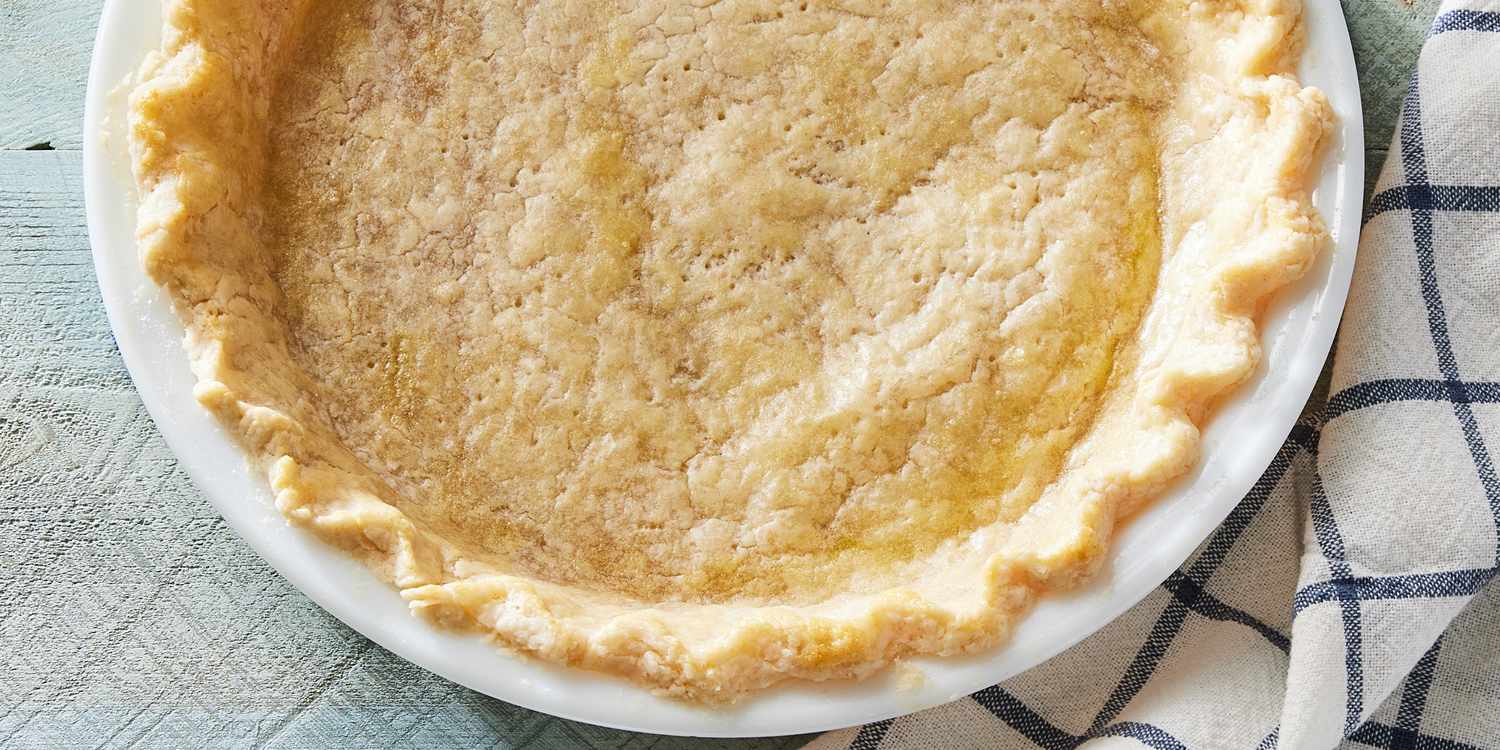
Master the Flaky All-Butter Pie Crust: Your Ultimate Tender Guide
There’s an undeniable magic to a homemade pie. While the filling often steals the spotlight, any true pastry enthusiast knows that the foundation of an exceptional pie lies beneath: a truly remarkable crust. Forget the bland, crumbly store-bought versions; we're talking about an all-butter pie crust that's so flaky, so tender, and so richly buttery it practically melts in your mouth. This isn't just a pie crust recipe; it's an invitation to elevate your baking, transforming simple ingredients into a masterpiece that whispers "homemade" with every bite.
For years, many bakers swore by shortening for its forgiving nature, but the undeniable richness and superior flavor of real butter have converted countless enthusiasts, making the all-butter crust a staple. It’s the secret weapon for classic desserts like apple or cherry pie, and savory delights like quiches. This comprehensive guide will equip you with the knowledge and techniques to create a flawless, flaky pie crust, ensuring your homemade pies are nothing short of irresistible.
The Science of Supreme Flakiness: What Makes All-Butter So Special?
Crafting the perfect flaky pie crust isn't just about following steps; it's about understanding the simple yet brilliant science behind it. This knowledge empowers you to make adjustments and achieve consistent success every time. For this top-rated pie crust recipe, you only need four humble ingredients:
- All-Purpose Flour: The structural backbone of your crust. It contains gluten, which provides elasticity, but too much gluten development leads to a tough crust. Our goal is to minimize this.
- Salt: More than just a seasoning, salt enhances the overall flavor of your crust, balancing the richness of the butter and preventing it from tasting flat. It also contributes to a more tender texture.
- Ice-Cold Butter: This is the star of the show! Cold butter is essential for creating those coveted flaky layers. As the butter melts in the hot oven, it releases steam, which then puffs up the surrounding dough, creating distinct air pockets and layers. The colder the butter, the slower it melts, resulting in more pronounced flakiness. The fat also coats flour particles, inhibiting excessive gluten formation.
- Ice Water: Acts as the binding agent, bringing the dry ingredients together to form a cohesive dough. Like cold butter, cold water also turns into steam during baking, further contributing to the crust's light and flaky texture. Using ice water ensures the butter remains solid during mixing.
The "Cold" Rule: Your Golden Ticket to Flakiness
The cardinal rule for a truly flaky, tender pie crust is to keep everything as cold as possible. This means your butter, your water, and even your hands if you're mixing by hand. Why? Because you want the butter to remain in solid, distinct pieces within the dough until it hits the oven. If the butter melts too early (during mixing or rolling), it will blend too readily with the flour, leading to a dense, tough, and less flaky crust. Using tools like a pastry blender or a food processor can help minimize contact with warm hands. If you find your kitchen warm, don't hesitate to chill your flour or even your mixing bowl!
Your Go-To All-Butter Pie Crust Recipe: Step-by-Step Mastery
This pie crust recipe yields enough dough for two single crusts or one double-crust pie (like an apple pie with a top and bottom crust). It's incredibly forgiving, making it perfect for both beginner bakers and seasoned professionals.
Ingredients:
- 2 ½ cups (300g) all-purpose flour
- 1 teaspoon salt
- 1 cup (226g) unsalted butter, very cold and cut into ½-inch cubes
- ½ cup (120ml) ice water, plus 1-2 tablespoons more if needed
Equipment:
- Large mixing bowl (or food processor)
- Pastry blender or two forks (if mixing by hand)
- Plastic wrap
- Rolling pin (a marble one stays colder, aiding in flakiness)
- 9-inch pie plate
Instructions:
- Combine Dry Ingredients: In a large bowl, whisk together the flour and salt until well combined.
- Incorporate the Butter: Add the cold, cubed butter to the flour mixture. Using a pastry blender, two knives, or your fingertips, cut the butter into the flour until the mixture resembles coarse meal with some pea-sized butter pieces still visible. This is crucial for flakiness. If using a food processor, pulse butter and flour together for about 10-15 seconds until the desired consistency is reached.
- Add the Water: Gradually add the ice water, 1 tablespoon at a time, mixing lightly with a fork or by hand after each addition. The dough should just barely come together when squeezed. Be careful not to add too much water, as this can make the crust tough. Too little, and it will be crumbly. Stop adding water as soon as the dough holds together.
- Form and Chill the Dough: Divide the dough into two equal portions. Gently press each portion into a flat disk, about 1-inch thick. Wrap each disk tightly in plastic wrap and refrigerate for at least 1 hour, or up to 2 days. Chilling allows the gluten to relax, making the dough easier to roll, and re-solidifies the butter.
- Roll Out the Dough: On a lightly floured surface, unwrap one disk of dough. Using a rolling pin, roll the dough from the center outwards, rotating it frequently and dusting with more flour as needed to prevent sticking. Roll until it's about 1/8-inch thick and approximately 12-13 inches in diameter (enough to overhang your pie plate by about an inch).
- Transfer to Pie Plate: Carefully transfer the rolled-out dough to your 9-inch pie plate. You can do this by gently rolling the dough onto your rolling pin and unrolling it over the plate, or by folding it into quarters and unfolding it in the plate. Fit the dough gently into the plate without stretching it (stretching can lead to shrinkage during baking).
- Trim and Flute the Edges: Trim the excess dough, leaving about a ½-inch overhang. Fold this overhang under itself, creating a neat edge that sits on the rim of the pie plate. Now, it’s time to flute! You can use your fingers to create a classic crimped edge (pressing the dough between your thumb and forefinger), or press a fork around the edge for a simple design.
- Final Chill: For best results, return the pie crust in its plate to the refrigerator for another 15-30 minutes before filling and baking. This helps prevent shrinkage and maintains shape.
For those looking for a slightly different approach, perhaps combining the best of both worlds, explore our article on Butter & Shortening Pie Crust: The Best of Both Worlds, which offers a unique blend of flavor and ease.
The Art of Blind Baking: Preventing the Soggy Bottom
Blind baking, or pre-baking, your pie crust is a crucial step for many pies, especially those with wet fillings like quiches, custard pies, or no-bake fillings. It ensures a crisp bottom crust and prevents that dreaded soggy texture.
When to Blind Bake:
- Partial Blind Bake: For fillings that will be baked with the crust (e.g., quiche, pumpkin pie). This gives the crust a head start.
- Full Blind Bake: For no-bake fillings (e.g., cream pies, fresh fruit tarts). The crust needs to be fully cooked and golden.
How to Blind Bake:
- Prepare the Crust: After placing the dough in the pie plate and fluting the edges, prick the bottom and sides evenly with a fork. Line the raw crust with parchment paper or foil, ensuring it covers the edges to prevent burning.
- Add Pie Weights: Fill the lined crust with pie weights, dried beans, or uncooked rice. These prevent the crust from bubbling up and shrinking.
- Bake (Partial Blind Bake): Bake at 375°F (190°C) for 12-15 minutes. Remove the pie weights and parchment, then bake for another 5-7 minutes, or until the bottom is lightly golden. Proceed with your pie filling and recipe.
- Bake (Full Blind Bake): Bake at 375°F (190°C) for 15-20 minutes with weights. Remove weights and parchment, then bake for an additional 8-10 minutes, or until the crust is golden brown and fully cooked. Let cool completely before adding your no-bake filling.
Tips, Tricks, and Troubleshooting for Your Perfect Pie Crust
Even with a great pie crust recipe, little nuances can make a big difference. Here are some extra tips and common troubleshooting solutions:
- Don't Overwork the Dough: This is paramount! Excessive handling develops gluten, leading to a tough crust. Mix just until combined, and roll with a light touch.
- The Power of Chilling: Beyond the initial chill, if your dough becomes too warm and soft during rolling, pop it back in the fridge for 10-15 minutes. It will be much easier to work with.
- Flour Your Surface Wisely: Use just enough flour to prevent sticking, but don't overdo it. Too much added flour can dry out your dough.
- Shrinking Crust? This is often due to overworking the dough, stretching it into the pie plate, or not chilling it sufficiently. Let the dough rest and relax in the fridge at key stages.
- Cracked Edges? If your dough is too cold or dry, it might crack when rolling. Let it warm up slightly at room temperature, or if it's too dry, you might have needed a tiny bit more water. You can often patch small cracks with a bit of extra dough or by gently pressing them together.
- Make Ahead & Freeze: Pie dough is fantastic for making ahead! You can store the wrapped disks in the refrigerator for 2-3 days, or freeze them for up to 3 months. Thaw frozen dough in the refrigerator overnight before rolling.
If you're looking for even more guidance or a slightly different technique, be sure to check out our Easy Flaky Pie Crust Recipe: Perfect for Any Baker, designed to make pie making approachable for everyone.
Conclusion: The Reward of Homemade Goodness
Mastering an all-butter pie crust is a truly rewarding endeavor that elevates any pie from good to extraordinary. The rich flavor, delicate tenderness, and impressive flakiness are hallmarks of a truly homemade dessert, a testament to your baking prowess. With this comprehensive pie crust recipe and the accompanying tips, you’re now equipped to create crusts that will be the talk of any table. So, roll up your sleeves, embrace the butter, and prepare to delight in the unparalleled taste of a pie crafted from scratch.
