Butter & Shortening Pie Crust: The Best of Both Worlds
The quest for the perfect pie often begins and ends with its foundation: the crust. For generations, bakers have debated the merits of an all-butter `pie crust recipe` versus one made with shortening. Each has its staunch advocates, praising rich flavor or unparalleled flakiness and ease of handling. But what if you didn't have to choose? Imagine a crust that marries the melt-in-your-mouth richness of butter with the tender, forgiving qualities of shortening. This article will guide you through creating such a masterpiece – a butter and shortening `pie crust recipe` that delivers the absolute best of both worlds, transforming your homemade pies into irresistible culinary triumphs.
Why the Blend Wins: The Science of Superior Pie Crust
Understanding the unique properties of butter and shortening is key to appreciating their combined power in a `pie crust recipe`. While an all-butter crust is undeniably delicious, and an all-shortening crust offers remarkable flakiness and ease, the blend brings out the very best attributes of each, resulting in a superior baking experience and an even better pie.
The Allure of Butter
Butter, with its distinctive aroma and golden hue, is beloved for its unparalleled flavor. When incorporated into a `pie crust recipe`, it imparts a rich, luxurious taste that store-bought crusts simply can't replicate. As butter melts during baking, its water content turns to steam, creating delicate pockets within the dough, which are essential for that coveted flaky texture. For a deep dive into mastering this classic, explore our guide on
Master the Flaky All-Butter Pie Crust: A Tender Guide. The challenge with butter can be its temperamental nature; it needs to be kept extremely cold, and dough made solely with butter can be a bit more fragile and prone to cracking when rolled.
The Magic of Shortening
Shortening, a pure fat, contributes significantly to both the flakiness and tenderness of a pie crust. Unlike butter, shortening has a higher melting point and contains no water. This means it creates larger, more pronounced air pockets as it melts, resulting in an exceptionally crisp and flaky pastry. Perhaps its most celebrated quality, however, is its ability to make the dough incredibly forgiving and easy to handle. Shortening coats the flour more effectively than butter, inhibiting gluten development and ensuring a wonderfully tender crust. This makes rolling out the dough a dream, even straight from the fridge, minimizing tears and frustration.
A Match Made in Pie Heaven
When butter and shortening unite in a `pie crust recipe`, a culinary synergy occurs. The butter provides that indispensable, rich flavor and golden finish, while the shortening guarantees maximum flakiness and a tender crumb that melts in your mouth. Moreover, the shortening makes the dough more pliable and resistant to tearing, offering a more pleasant and successful experience, especially for those new to pie making. This blend truly elevates your pie crust, offering a perfect balance of taste, texture, and ease.
Essential Ingredients for Your Perfect Pie Crust Recipe
Crafting a remarkable pie crust begins with selecting the right ingredients and ensuring they are prepared correctly. For this "best of both worlds" `pie crust recipe`, quality and temperature are paramount.
- All-Purpose Flour: This forms the structural backbone of your crust. While some bakers experiment with pastry flour, all-purpose flour provides a reliable balance of gluten for structure without making the crust tough.
- Salt: Often underestimated, salt is crucial. It not only enhances the overall flavor of your crust but also helps to tenderize the dough, ensuring a pleasant eating experience.
- Cold Butter: Use unsalted butter, cut into small cubes. The colder the butter, the better! Keeping it firm prevents it from melting into the flour too quickly, preserving those distinct fat pockets that create flakiness.
- Cold Shortening: Just like butter, your shortening should be very cold, ideally chilled for at least 30 minutes in the freezer or an hour in the refrigerator. Cutting it into small pieces helps with even distribution.
- Ice Water: The binding agent for your dough. It must be ice-cold. Keep a bowl of ice water handy, as you'll only use a small amount, adding just enough to bring the dough together. The cold temperature also helps to keep the fats firm.
Crafting Your Butter & Shortening Pie Crust: Step-by-Step Guide
Follow these steps for a foolproof `pie crust recipe` that will become your new go-to. Remember, the key is keeping everything cold and working efficiently.
- Prepare Your Ingredients: Ensure your butter and shortening are cut into ½-inch cubes and thoroughly chilled. Place your flour and salt in a large mixing bowl.
- Incorporate the Fats: Add the cold butter and shortening to the flour mixture. Using a pastry blender, your fingertips, or a food processor with a pulse setting, cut the fats into the flour. The goal is to have a mixture resembling coarse meal with some pea-sized pieces of fat remaining. These larger pieces are critical for creating those flaky layers. Avoid overmixing, as this can develop too much gluten and result in a tough crust.
- Add the Ice Water: Begin by drizzling 4-5 tablespoons of ice water over the flour and fat mixture. Use a fork to gently combine until the dough just starts to come together. Add more water, one tablespoon at a time, mixing minimally after each addition, until the dough is moist enough to form a cohesive ball but not sticky. It’s better to slightly under-hydrate than over-hydrate.
- Form and Chill the Dough: Divide the dough into two equal portions (for two single crusts or one double crust). Gently flatten each portion into a disc, wrap tightly in plastic wrap, and refrigerate for at least 30 minutes, or up to 2 days. This chilling time is vital; it allows the gluten to relax, making the dough easier to roll, and it firms up the fats, which is essential for flakiness.
- Roll Out the Dough: On a lightly floured surface, take one disc of chilled dough. If it's too firm, let it sit at room temperature for just 5-10 minutes. Roll it out evenly from the center outwards into a 12-13 inch circle for a standard 9-inch pie plate, rotating frequently to prevent sticking. The shortening in this `pie crust recipe` makes it incredibly pliable and less prone to cracking than an all-butter dough.
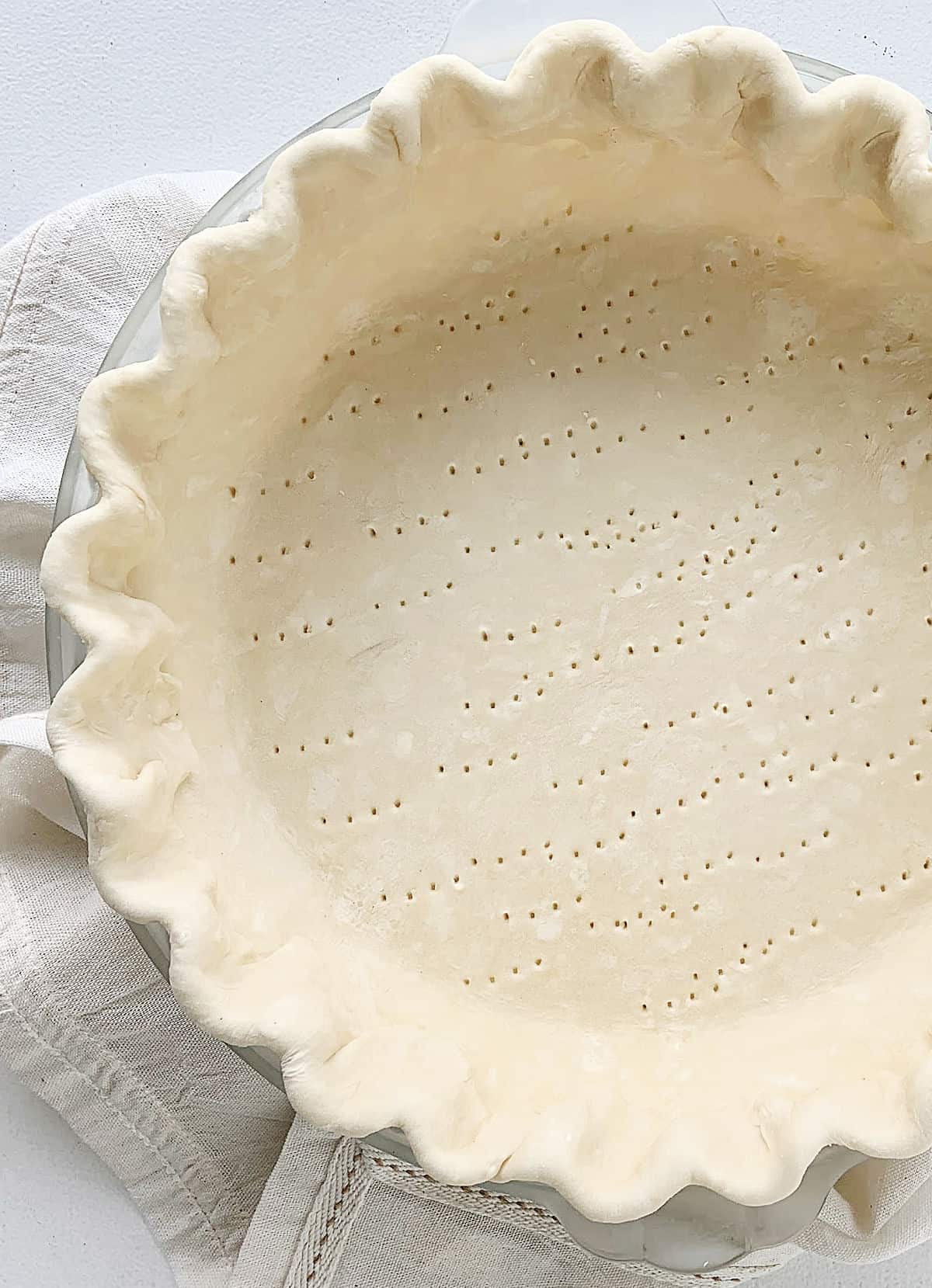
- Transfer to Pie Plate: Carefully transfer the rolled-out dough to your pie plate. Trim the edges, leaving about a 1-inch overhang. You can then fold this overhang under itself to create a sturdy rim, which you can flute decoratively with your fingers or a fork for a classic homemade look.
Tips for a Flawless Pie Crust Every Time
Achieving pie crust perfection involves more than just a great `pie crust recipe`. Here are some expert tips to ensure your crust is consistently tender, flaky, and golden-brown.
Mastering Temperature Control
We cannot stress this enough:
cold is your best friend. From your butter and shortening to your water and even your hands, maintaining a low temperature prevents the fat from melting prematurely. If the fats melt into the flour before baking, you lose those precious pockets that expand into flaky layers. Consider chilling your mixing bowl and even your flour for 15 minutes before starting, especially on a warm day.
Don't Overwork the Dough
Overworking the dough is the quickest way to a tough, chewy pie crust. When you knead or mix too much, you develop gluten, which is desirable in bread but detrimental in pie crust. Mix just enough until the dough comes together. A few visible streaks of butter or shortening are a good sign – they promise ultimate flakiness.
The Art of Blind Baking
Some `pie crust recipe` fillings, especially wet ones like quiches or custard pies, benefit from blind baking (pre-baking) the crust. This prevents a soggy bottom and ensures an evenly cooked crust.
- For a Partial Blind Bake (quiches, custard pies): Line your dough-filled pie plate with parchment paper and fill with pie weights (or dried beans/rice). Bake at 375°F (190°C) for 12-15 minutes. Remove the weights and parchment, then bake for another 5-7 minutes until lightly golden.
- For a Full Blind Bake (no-bake fillings): Follow the partial blind bake steps for 15-20 minutes, then remove weights and parchment. Continue baking for 8-10 minutes more, or until the crust is golden brown and crisp.
This butter and shortening `pie crust recipe` yields enough dough for two single crusts or one beautiful double-crust pie. For more straightforward approaches to excellent pastry, check out our
Easy Flaky Pie Crust Recipe: Perfect for Any Baker.
Conclusion
The marriage of butter and shortening creates a `pie crust recipe` that truly offers the best of both worlds: the rich, irresistible flavor of butter combined with the tender, easy-to-handle flakiness of shortening. This comprehensive guide, complete with practical tips and an understanding of the science behind each ingredient, empowers you to create a pie crust that is not only delicious but also a joy to make. Say goodbye to the tough, bland, or difficult crusts of the past. Embrace this superior blend and elevate your homemade pies to legendary status, delighting family and friends with every golden, flaky bite. Try this `pie crust recipe` for your next baking adventure and taste the difference!